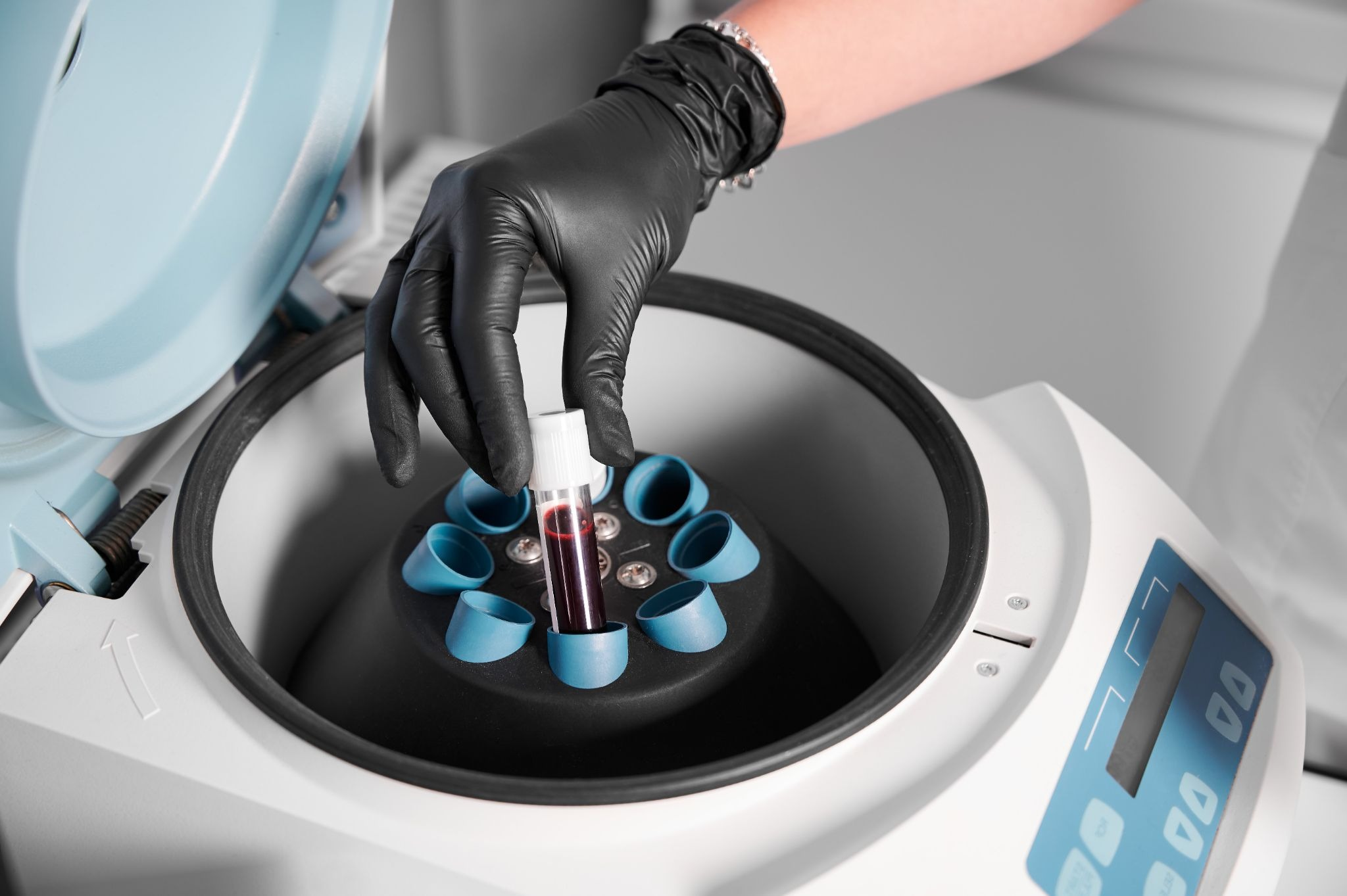
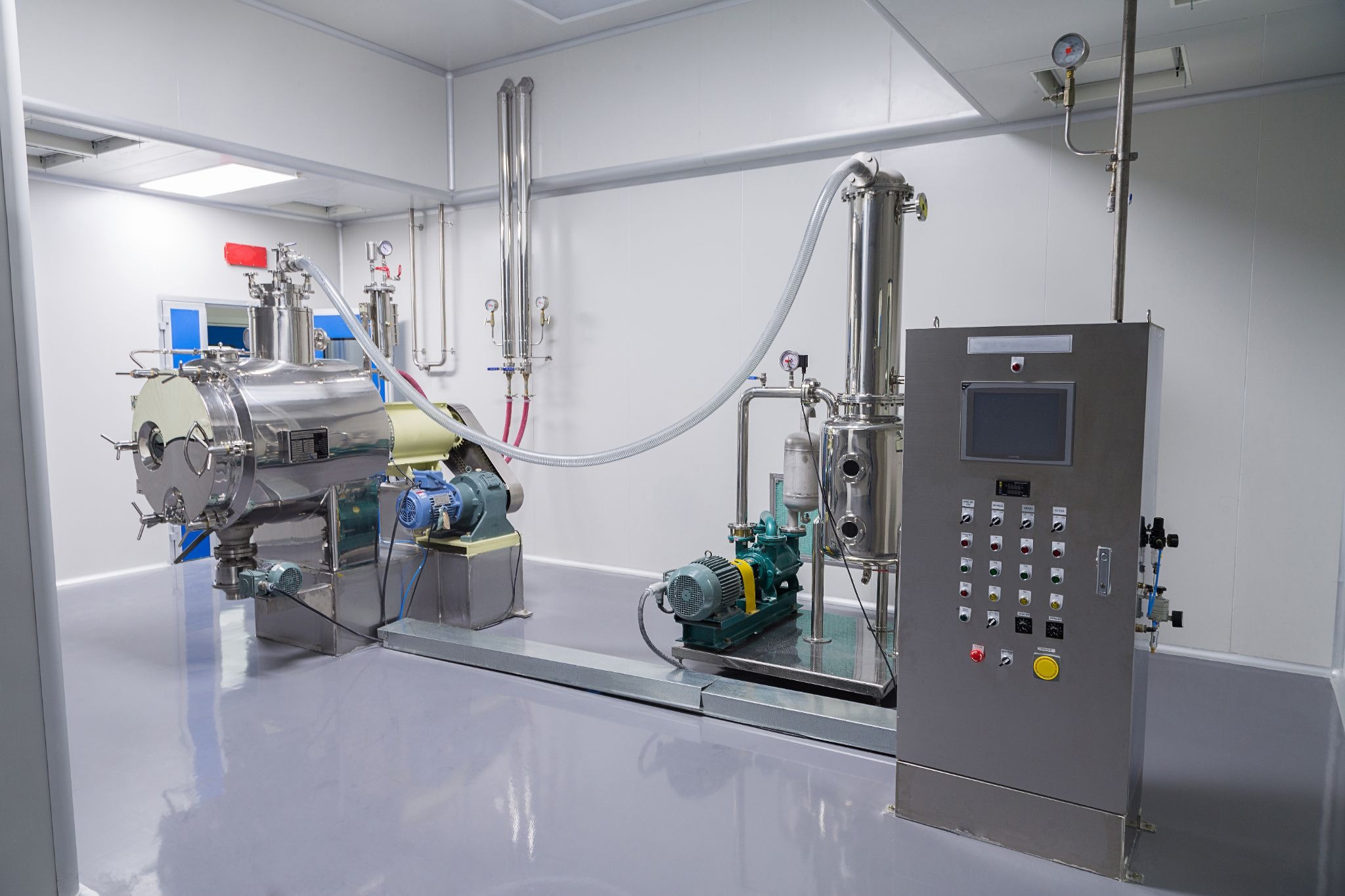
We have dedicated ourselves to Manufacturing a range of Decanter Centrifuge, Tubular Bowl
Centrifuge, Disc Bowl Separators, Edible Oil Refining Plant, Fish Oil Refining Plant.
Decanter Centrifuge Manufacturer : Choosing the Right Industrial Decanter Centrifuge for Wastewater Treatment
Managing industrial sludge and wastewater efficiently is a growing challenge for industries and municipalities. Selecting the right decanter centrifuge manufacturer plays an important role in improving sludge separation, reducing operational costs, and increasing plant efficiency. Whether you are operating a municipal wastewater facility, food processing plant, chemical industry, or oil refining unit, investing in a reliable industrial decanter centrifuge can significantly improve treatment performance.
An advanced decanter centrifuge for wastewater treatment helps separate solids from liquids effectively, ensuring better sludge dewatering, lower disposal costs, and improved compliance with environmental standards. However, many buyers overlook critical technical and operational factors before making an investment.
This guide explains everything stakeholders should know before selecting equipment from a decanter centrifuge manufacturer, including technical specifications, material compatibility, maintenance, application suitability, and return on investment.
What Is an Industrial Decanter Centrifuge ?
An industrial decanter centrifuge is a mechanical separation system designed to separate solid particles from liquids using centrifugal force. It operates continuously, making it suitable for industries that require high-volume sludge processing.
The equipment consists of a rotating bowl, scroll conveyor, feed system, and differential drive mechanism. As sludge enters the bowl, centrifugal force separates heavier solids from liquid components. The solids move toward the discharge outlet while clarified liquid exits separately.
A high-quality decanter centrifuge for wastewater treatment can improve solids recovery while reducing moisture content in sludge cakes, helping facilities lower transportation and disposal costs.
Why Choosing the Right Decanter Centrifuge Manufacturer Matters ?
Selecting an experienced decanter centrifuge manufacturer affects long-term operational efficiency. Beyond the initial purchase, the quality of engineering, after-sales support, maintenance accessibility, and component durability influence total ownership costs.
A reliable manufacturer should offer :
Application-specific machine customization
Durable wear-resistant components
Easy maintenance access
Energy-efficient operation
Intelligent automation systems
Strong corrosion resistance for harsh sludge environments
A properly engineered industrial decanter centrifuge can operate continuously with reduced downtime and lower maintenance requirements.
Key Technical Factors to Consider Before Buying
1. Bowl Speed and G-Force Capacity
The performance of an industrial decanter centrifuge depends heavily on bowl speed and centrifugal force. Higher G-force generally improves separation efficiency and produces drier solids.
For sludge-heavy applications, operators should evaluate :
Maximum bowl RPM
Adjustable differential speed
Solids capture efficiency
Clarification capability
A properly configured decanter centrifuge for wastewater treatment ensures consistent performance even during fluctuating sludge loads.
2. Throughput Capacity
Different industries produce different sludge volumes. A wastewater facility with high processing requirements needs a larger-capacity machine compared to smaller industrial operations.
Important factors include :
Feed flow capacity
Solids handling rate
Sludge consistency
Processing volume per hour
Working with a trusted decanter centrifuge manufacturer ensures proper equipment sizing based on plant requirements.
3. Material Compatibility
Material selection directly impacts equipment lifespan. Wastewater often contains abrasive particles and corrosive chemicals that damage internal components.
High-performance machines may include :
Stainless steel construction
Wear-resistant scroll protection
Abrasion-resistant coatings
Corrosion-resistant surfaces
The right industrial decanter centrifuge should be designed to withstand demanding sludge environments without excessive wear.
Applications of Decanter Centrifuge for Wastewater Treatment
A decanter centrifuge for wastewater treatment is widely used across multiple sectors because of its ability to process sludge continuously.
Municipal Wastewater Treatment
Municipal plants use decanter centrifuges to separate sludge efficiently and reduce waste disposal volume. This helps improve plant productivity and compliance with environmental regulations.
Food Processing Industry
Food manufacturers rely on industrial decanter centrifuge systems for wastewater clarification and organic sludge management.
Chemical Processing
Chemical facilities use specialized centrifuges to handle corrosive wastewater while improving liquid-solid separation efficiency.
Oil and Refining Industries
Oil sludge management requires robust systems designed for demanding separation processes. Choosing the right decanter centrifuge manufacturer becomes crucial for operational safety and durability.
Dairy and Beverage Processing
Wastewater generated in dairy plants often contains suspended solids requiring advanced separation equipment.
Sludge Thickening vs Dewatering Centrifuges
Understanding the difference between sludge thickening and dewatering systems helps buyers choose the right equipment.
Sludge Thickening Centrifuges
These systems focus on increasing sludge concentration while minimizing processing costs. They are suitable for facilities prioritizing volume reduction.
Dewatering Centrifuges
Dewatering systems produce lower moisture sludge cakes, reducing transportation and disposal expenses.
For facilities aiming to reduce sludge handling costs, an industrial decanter centrifuge designed for dewatering often provides better long-term benefits.
Intelligent Automation and Smart Controls
Modern equipment from an advanced decanter centrifuge manufacturer includes intelligent monitoring systems that improve operational efficiency.
Smart control systems may provide :
Real-time performance monitoring
Automatic speed adjustments
Predictive maintenance alerts
Reduced manual intervention
Energy optimization
These features help wastewater operators maintain consistent performance while lowering downtime.
A highly automated decanter centrifuge for wastewater treatment improves separation quality and operational reliability.
Importance of Safety in Industrial Decanter Centrifuge Design
Safety should never be overlooked during equipment selection. High-speed rotating machinery requires robust engineering and protection systems.
Important safety considerations include :
Overload protection systems
Vibration monitoring
Emergency shutdown features
Enclosed operating design
Safe maintenance accessibility
An experienced decanter centrifuge manufacturer prioritizes operator safety while maintaining productivity.
Maintenance Best Practices for Long-Term Performance
Maintenance directly impacts equipment lifespan and operating costs. A poorly maintained industrial decanter centrifuge may suffer from excessive wear and unexpected downtime.
Essential Maintenance Tips
Regular Inspection
Monitor wear components, bearings, seals, and rotating parts regularly.
Lubrication Management
Choose proper lubrication methods according to application requirements.
Scroll Wear Monitoring
Inspect conveyor wear to maintain sludge transport efficiency.
Performance Tracking
Monitor vibration levels and separation efficiency for early issue detection.
Common Signs Your Centrifuge Needs Attention
Increased vibration levels
Reduced sludge dryness
Higher energy consumption
Excessive operating noise
Poor solids recovery
Routine servicing of a decanter centrifuge for wastewater treatment improves reliability and minimizes costly breakdowns
Cost and Return on Investment
Many organizations focus only on purchase price while ignoring long-term operating expenses. The true value of an industrial decanter centrifuge lies in lifecycle cost savings.
A high-quality machine can help reduce :
Sludge transportation costs
Disposal expenses
Maintenance frequency
Downtime losses
Energy consumption
Although premium systems may involve higher upfront investment, selecting the right decanter centrifuge manufacturer often delivers better returns through durability and consistent performance.
How to Choose the Best Decanter Centrifuge Manufacturer ?
Before purchasing equipment, buyers should evaluate :
Industry experience
Engineering expertise
Equipment customization capabilities
Technical support availability
Spare part accessibility
Material quality standards
A dependable decanter centrifuge manufacturer understands application-specific requirements and recommends the most suitable configuration for wastewater treatment operations.
Conclusion
Choosing the right decanter centrifuge manufacturer is essential for improving sludge handling, wastewater treatment efficiency, and long-term cost savings. Investing in a high-quality industrial decanter centrifuge designed for specific application requirements can significantly improve operational performance while reducing maintenance issues.
Whether your facility manages municipal sludge, industrial wastewater, or specialized process separation, selecting the right decanter centrifuge for wastewater treatment ensures higher reliability, lower operating costs, and better environmental performance.
Frequently Asked Questions
Everything You Need to Know
A decanter centrifuge manufacturer designs and produces separation equipment used for sludge dewatering, wastewater treatment, and industrial liquid-solid separation.
An industrial decanter centrifuge helps reduce sludge volume, improve separation efficiency, and lower operational costs.
Municipal wastewater, food processing, chemical, pharmaceutical, dairy, and oil industries commonly use a decanter centrifuge for wastewater treatment.
With proper maintenance, a well-designed industrial decanter centrifuge can provide reliable operation for many years.
Consider machine capacity, rotational speed,
energy efficiency, material construction,
automation features, maintenance requirements,
and after-sales support before selecting a centrifuge.