
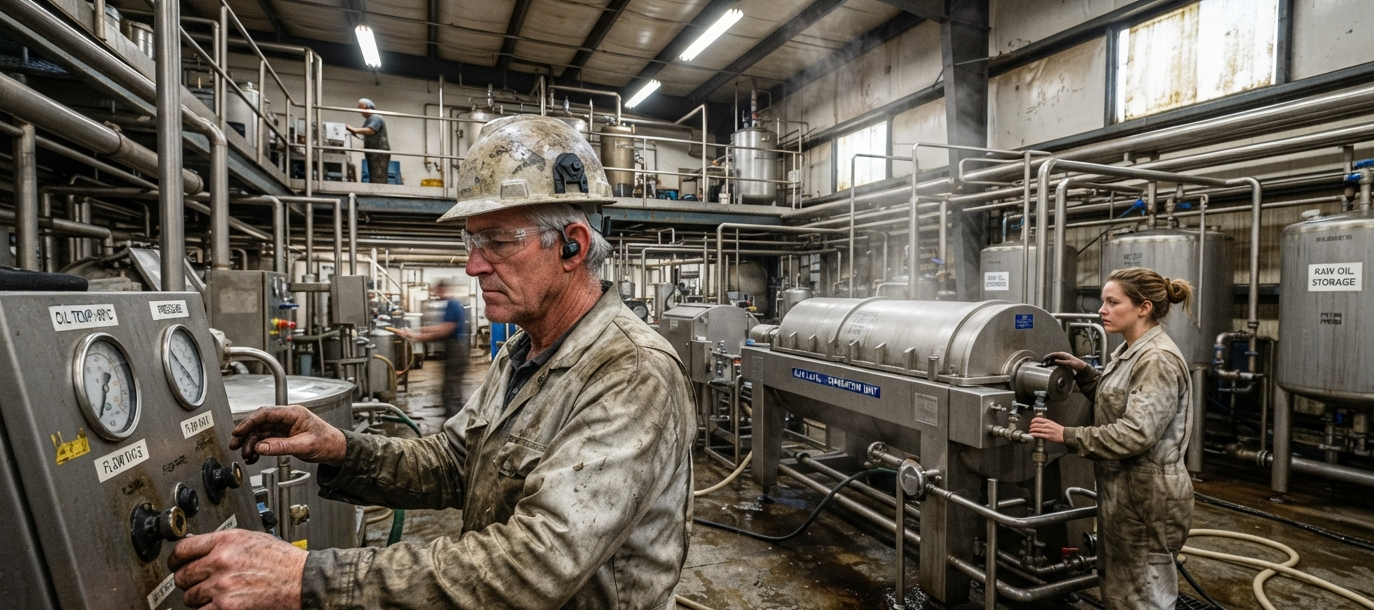
Whether you're evaluating a new plant, upgrading an existing line, or simply researching how fish oil is made, this guide breaks down the entire fish oil production process — and where most operators lose yield without realizing it.
What Is a Fish Oil Processing Plant ?
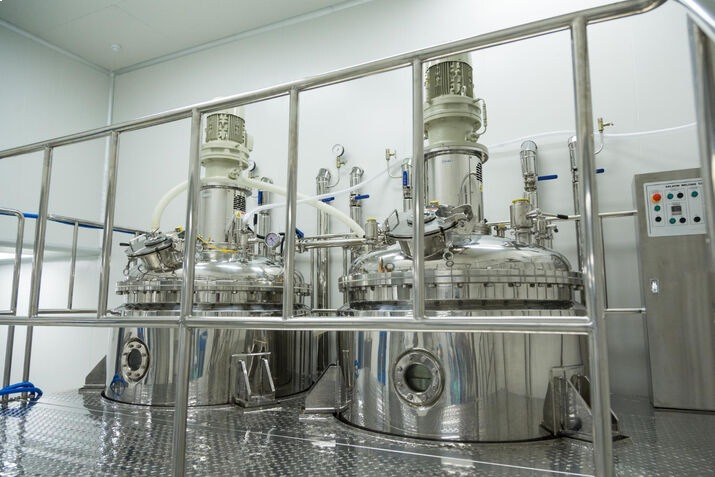
Whether you're evaluating a new plant, upgrading an existing line, or simply researching how fish oil is made, this guide breaks down the entire fish oil production process — and where most operators lose yield without realizing it.
At the heart of every plant — regardless of size — sits the separation stage. This is where liquid oil is mechanically split from water and solid protein (stick water), and it's the single biggest factor determining final oil quality, yield, and operating cost.
The Fish Oil Extraction Process, Step by Step
1. Cooking
Raw material is heated (typically 85°C - 95°C) to coagulate proteins, rupture cell walls, and release bound oil. Faster, gentler cooking preserves oil quality and reduces oxidation.
2. Pressing
The cooked mass moves through a screw press, separating solid press cake (used for fish meal) from press liquor — a mixture of oil, water, and fine solids.
3. Centrifugal Separation
This is the decisive step. The press liquor passes through decanter centrifuges and disc-stack separators, which spin at high speed to isolate:
- Fish oil (lightest phase)
- Stick water (protein-rich liquid, later concentrated and dried)
- Sludge/solids
Precision separation here directly determines oil purity and how much oil you recover per ton of raw material — a plant with outdated or poorly matched separators can lose several percentage points of yield.
4. Polishing and Purification
The extracted oil is further clarified to remove residual moisture and impurities, producing crude fish oil ready for refining or direct sale.
Different Fish Oil Extraction Processes Compared
Wet Pressing
ReductionCook → Press → Centrifuge
Standard industrial-scale plants
High throughput, moderate capital cost
Solvent Extraction
Chemical solvent pulls oil from dried material
Very low-fat raw material
Higher cost, more regulatory oversight
Enzymatic Extraction
Enzymes break down tissue to release oil
Specialty, high-purity, or by-product streams
Slower, gentler, premium-grade output
Most commercial fish oil processing plants worldwide use the wet reduction method because it scales efficiently and pairs directly with fish meal production turning the same raw material into two revenue streams simultaneously.
Fish Oil vs. Fish Liver Oil Manufacturing Process
These are often confused, but the processes differ meaningfully.
Fish body oil comes from whole fish or trimmings and follows the cook-press-separate sequence above.
Fish liver oil is extracted almost exclusively from the liver, which is naturally rich in oil and fat-soluble vitamins A and D. The liver oil manufacturing process typically skips heavy pressing — instead using low-temperature cooking or steam rendering, followed by centrifugal separation, to protect heat-sensitive vitamins and prevent oxidation. Liver oil generally commands a premium price due to its vitamin content and use in pharmaceutical-grade supplements.
Why Separation Technology Is the Real Differentiator ?
Two plants can run identical cooking and pressing setups and still produce very different results, because separation equipment quality varies enormously. Key factors that affect output :
- Bowl and disc design - determines how cleanly oil, water, and solids split
- Feed rate control - inconsistent feed causes yield loss and emulsification
- Wear resistance - corrosive, salt-heavy fish material degrades poorly built equipment fast
- Automation and monitoring - real-time adjustment prevents oil loss during raw material variability
This is where purpose-built separation systems outperform generic industrial centrifuges — and why upgrading separators is often the fastest way to raise plant yield without a full rebuild.
Fish Oil Quality Parameters That Matter
Buyers and regulators typically assess processed fish oil on :
- Free Fatty Acids (FFA%) - lower is better; indicates freshness of raw material
- Peroxide Value (PV) - measures early-stage oxidation
- TOTOX value - combined oxidation indicator used for nutraceutical-grade oil
- EPA/DHA (omega-3) concentration - critical for supplement and pharma markets
Where Processed Fish Oil Is Used
- Aquaculture and animal feed (largest volume use)
- Human nutraceuticals and omega-3 supplements
- Pharmaceutical-grade formulations
- Industrial and biodiesel applications
Choosing the Right Fish Oil Processing Plant Setup
Before investing in or upgrading a plant, evaluate :
- 1. Raw material type and consistency (species, freshness, fat content)
- 2. Required output grade (feed-grade vs. pharma-grade)
- 3. Land-based vs. ship-based operating constraints
- 4. Separation equipment capacity and automation level
- 5. Total cost of ownership, not just upfront equipment cost
Frequently Asked Questions
Everything You Need to KnowIt's a four-stage process: cooking the raw material to release oil, pressing to separate liquid from solids, centrifugal separation to isolate pure oil, and polishing to remove remaining impurities.
Industrial fish oil manufacturing uses continuous cook-press-separate lines, with centrifugal decanters and disc-stack separators handling the bulk of oil recovery from press liquor.
Fish body oil is extracted from whole fish via cooking and pressing. Fish liver oil is extracted primarily through gentle cooking and separation to preserve heat-sensitive vitamins A and D.
Wet pressing (reduction) combined with high-precision centrifugal separation typically delivers the best yield-to-cost ratio for commercial-scale plants.
Separation is where oil is actually isolated from water and solids. Poor separator performance is the most common cause of unexplained yield loss in fish oil plants.